Glossa ordinaria
The Great Medieval Bible Commentary
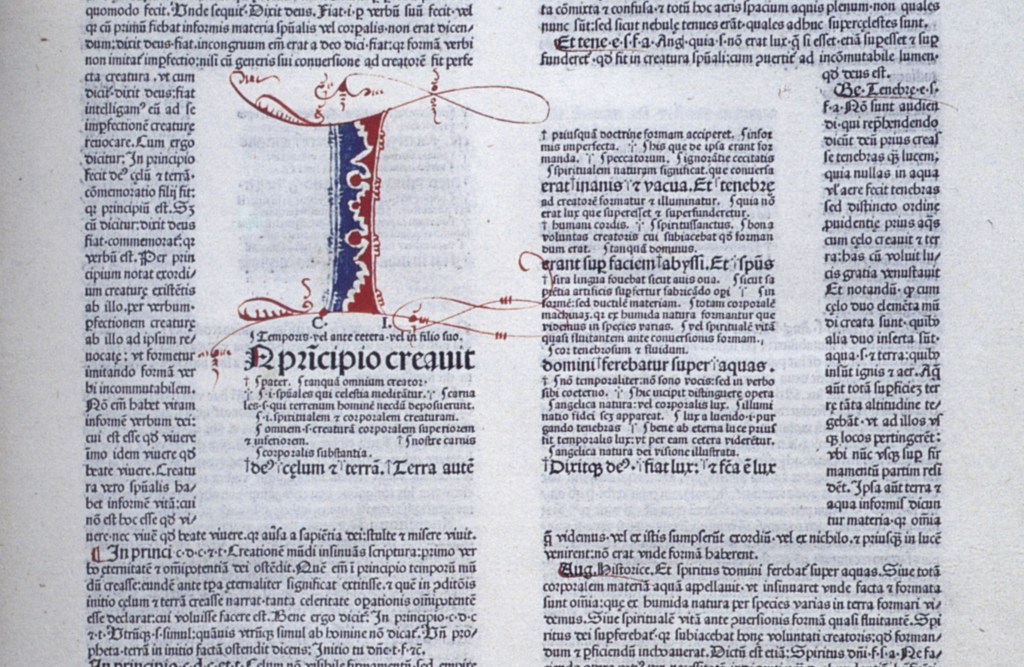
The Glossa ordinaria is one of the most enduring monuments to the genius of the High Middle Ages. Invoked by Doctors of the Church to settle disputed questions and Popes to preach the Crusades, paraphrased by wandering friars teaching the Gospels, this greatest of biblical commentaries was copied in thousands of manuscripts that survive to this day. Despite its critical importance in the history of theology and medieval intellectual life more generally, the text has never appeared in translation in any language. This series will at last rectify the situation, making the complete books of the Glossa ordinaria available to English-speaking readers for the first time, according to the distinctive layout of the manuscripts.
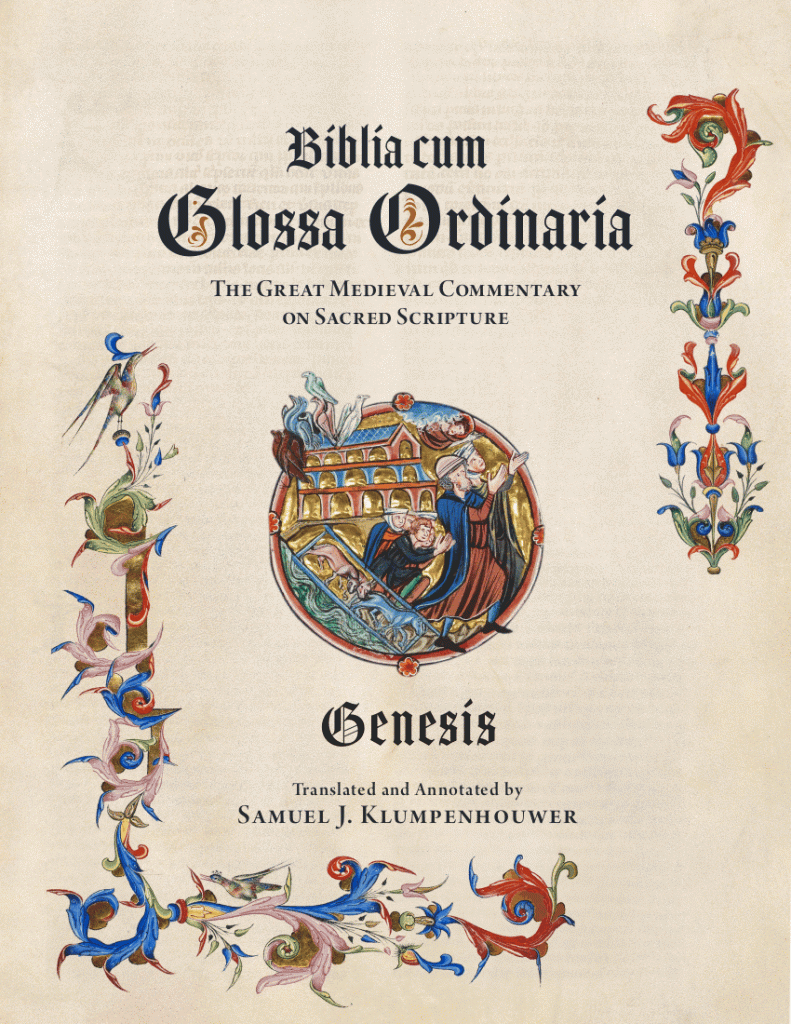
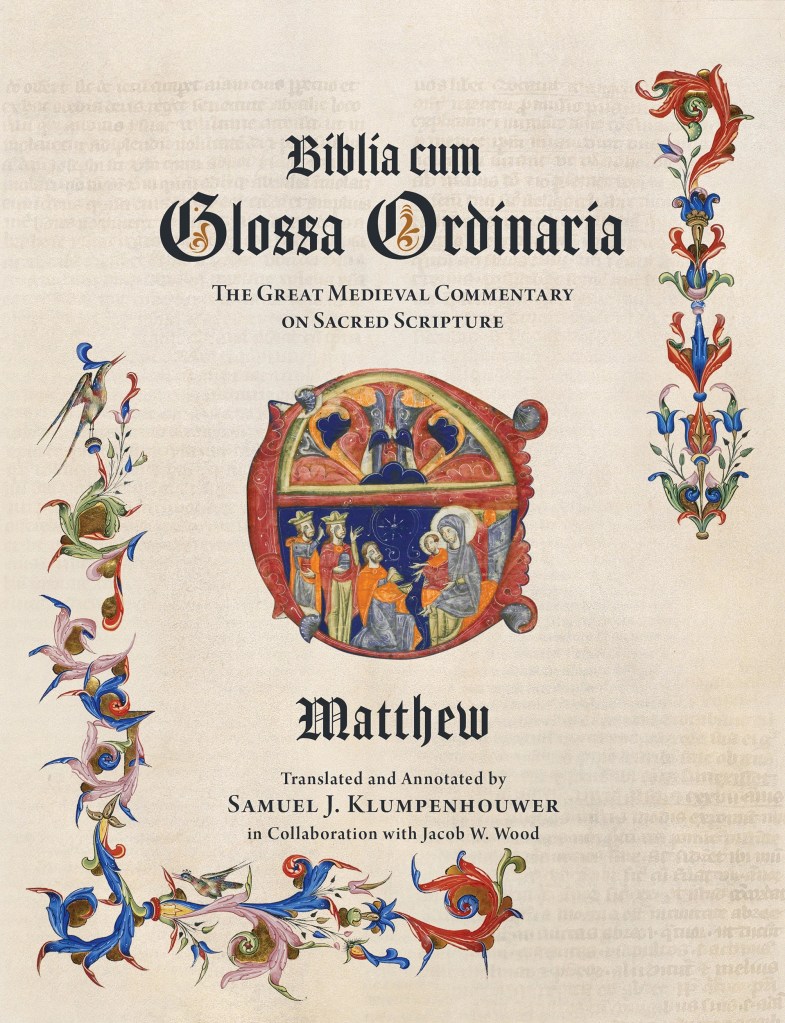
For the sake of a single, working text, this series adopts Adoph Rusch’s 1481 printed edition as the basis for its publications, translated by a team of the world’s experts on the Gloss, with the layout designed by award-winning Allison Merrick. The Genesis and Matthew volumes can be now purchased on the Emmaus website. Volumes for the Gloss on John and Exodus are in production.
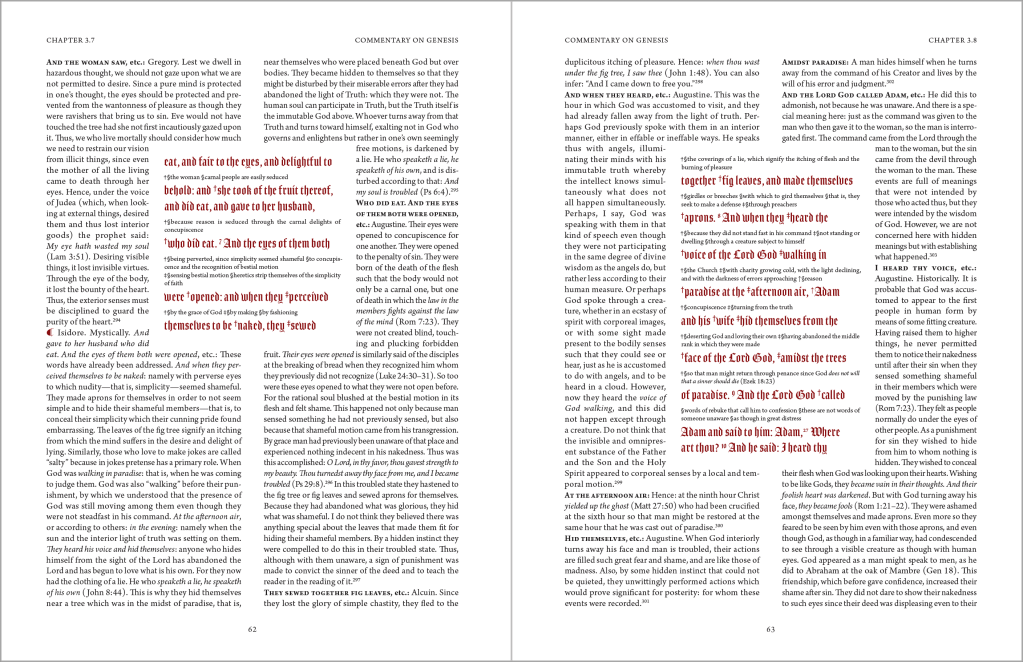
“A magnificent achievement. English-speaking readers are now able to read the standard medieval Christian interpretation of Scripture—in the case of this volume, the Gospel of Matthew—but they are able to experience reading it almost as medievals would have read it, that is, in the glossed format, where the scriptural text is in the middle of the page, and it is surrounded on its two sides with the glosses, the comments of the early Church fathers and medieval commentators. The Glossa ordinaria was, in its time, a radically innovative work, because for the first time it literally put Scripture and commentary on the same page, and it revolutionized Christian education and preaching. This English translation will have an inestimable impact on how medieval Christianity is now understood today—by teachers and students alike.”
David Stern
Harvard University
“We have been longingly waiting for this volume (and others that promise to follow). The Glossa Ordinaria was the most formative biblical commentary in the Church’s history, gathering and preserving early Christian interpretation of Scripture, and passing it on through the Middle Ages into early modern times, albeit with its own spiritually inquisitive slant. The network of interpretive voices that the commentary weaves opens up the breadth of the Church’s heart like no other work. That the Glossa has been mostly forgotten, except by a few specialists, is a mark of decadence that Klumpenhouwer’s edition and translation promises to help repair. The English is accessible, the scholarly foundation of the work responsible and illuminating, and the format scintillating.”
Ephraim Radner
Wycliffe College at the University of Toronto
 Glossa Ordinaria